Product Center
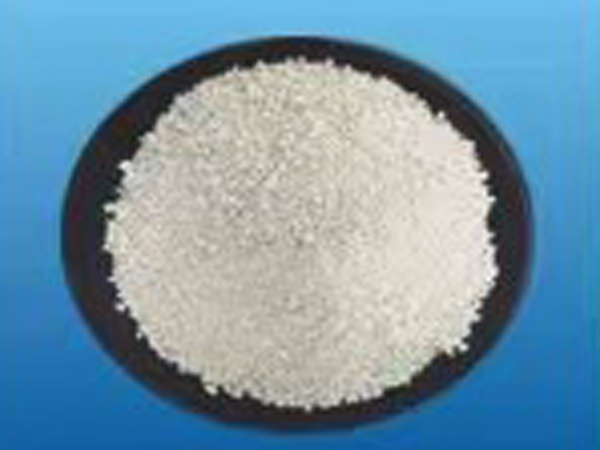
Sodium hypochlorite
Product Overview:
Category:
Keywords:
Contact us:
Product Details
Properties of Sodium Hypochlorite:
The sterilization principle of sodium hypochlorite primarily involves its hydrolysis, which forms hypochlorous acid. Hypochlorous acid then further decomposes to produce nascent oxygen, a highly reactive form of oxygen. This nascent oxygen's strong oxidizing properties cause the denaturation of proteins in bacteria and viruses, leading to the inactivation and death of pathogenic microorganisms. The disinfection principle of chlorine gas is also based on a similar mechanism.
Methods for generating hypochlorous acid.
Applications of Sodium Dithionite:
Effective for sterilization, disinfection, and bleaching across various industries: it inhibits the synthesis of microbial proteins, thereby destroying microorganisms. This product is widely used and cost-effective among domestic enterprises, offering excellent disinfection performance. Its primary applications include bleaching, industrial wastewater treatment, papermaking, textiles, pharmaceuticals, fine chemicals, and sanitation.
Packaging options:
Standard packaging: 25 kg/drum; IBC containers; tank trucks.
Leave a message online.
Address: Group 6, Shuidi River Village, Beigou Town, Gongyi City, Henan Province.
Phone: +86 18695835889 / +86 15517588719
Scan the QR code to add us on WeChat.